

Winter Skin in Perth: Why Your Moisturiser Stopped Being Enough
Lead
By mid-winter, many women notice the same thing: skin that feels tight by mid-morning, looks a little flat in the mirror, and no longer responds to the moisturiser that worked all summer. It is one of the most common seasonal concerns we hear about – and one of the most misunderstood.
The reason is rarely that your skin has simply “gone dry”. More often, winter has changed the conditions your skin lives in, and a surface moisturiser can only do so much about that. This article explains what actually happens to skin in a Perth winter, how to tell dryness from dehydration, and where professional treatments can genuinely help when at-home care is not enough.
Why Skin Feels Different in a Perth Winter
Perth winters are mild compared with much of the country, but they still change the environment your skin has to cope with every day.
- Lower humidity – cooler air holds less moisture, so the air around you draws water from the skin’s surface more readily.
- Indoor heating – reverse-cycle heating and heated cars create warm, dry indoor air that quietly removes moisture throughout the day.
- Hot showers and baths – comforting in winter, but hot water strips the skin’s natural oils, leaving the surface less able to hold onto water.
- Wind and temperature swings – moving between cold outdoor air and warm interiors puts the skin’s protective barrier under repeated stress.
None of these are dramatic on their own. Together, day after day, they shift your skin from comfortable to compromised – and the products that suited it in February can start to feel like they are doing nothing at all.
Dry Skin or Dehydrated Skin? The Difference Matters
These two words are often used as if they mean the same thing. They do not, and the distinction changes how you treat the concern.
- Dry skin is a skin type, characterised by low oil (sebum) production. It tends to be a long-term trait rather than a seasonal change.
- Dehydrated skin is a condition, characterised by a lack of water in the deeper layers. It can affect anyone – including those with oily or combination skin – and it often flares in winter.
This matters because the solutions differ. Dry skin generally benefits from richer, more nourishing products that support the skin’s oil barrier. Dehydrated skin needs water restored at a deeper level – something a surface cream can support but not fully resolve. Many people in winter are experiencing both at once, which is exactly why a single product rarely fixes the problem.
The Signs Worth Paying Attention To
Dehydration is easy to overlook because it often hides behind other concerns. You may recognise some of these:
- Skin that feels tight or uncomfortable, even shortly after moisturising
- A dull, flat complexion that has lost its usual brightness
- Fine dehydration lines – shallow creases that are not true wrinkles but appear when skin lacks moisture
- A loss of that natural “bounce” or plumpness
- Increased sensitivity to products that previously felt perfectly comfortable
If several of these sound familiar, your skin is likely asking for hydration at a deeper level than your current routine provides – not simply a heavier layer on top.
What Your Skincare Can - and Cannot - Do in Winter
A considered home routine remains the foundation of healthy skin, and small seasonal adjustments make a real difference:
- Swap foaming or stripping cleansers for a gentle, hydrating formula.
- Choose a moisturiser that both attracts water (humectants) and seals it in (occlusives).
- Lower the water temperature in the shower, and keep showers shorter.
- Keep applying sunscreen – winter UV in Perth is reduced, not absent, and it still affects skin quality over time.
What skincare cannot always do is reach the deeper layers where winter dehydration takes hold. Topical products work primarily on the surface. When dehydration sits below that, even a well-chosen routine can leave skin looking dull and feeling tight – which is the point at which professional support becomes worth considering.
How Professional Treatments Support Winter Skin
At Nano Aesthetics, we assess the depth and cause of your skin’s dehydration before recommending anything. The goal is to deliver hydration and renewal where they are actually needed, then support that result with the right home care. Depending on your skin, options may include:
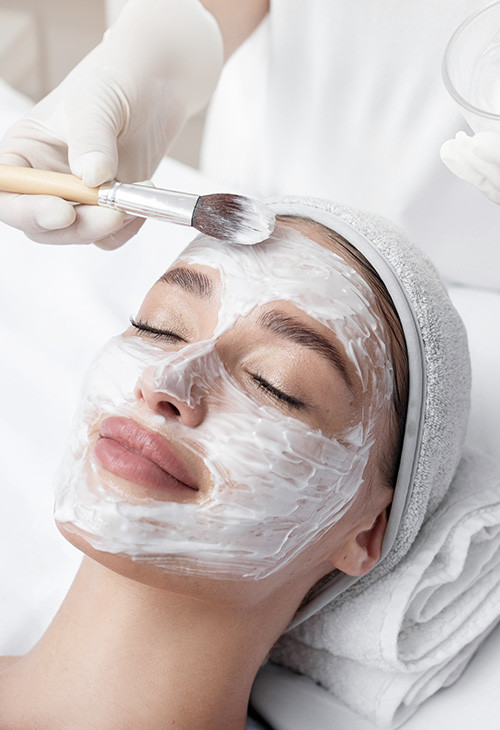
- Medi-Facials with Peels – a clinical-grade facial that combines deep cleansing, gentle exfoliation, and a controlled peel selected for your skin’s sensitivity. By clearing the build-up of dead surface cells that dulls winter skin, it can support a fresher, smoother, more radiant complexion. Cooler months are well suited to peels, as reduced UV makes the recovery window easier to manage.
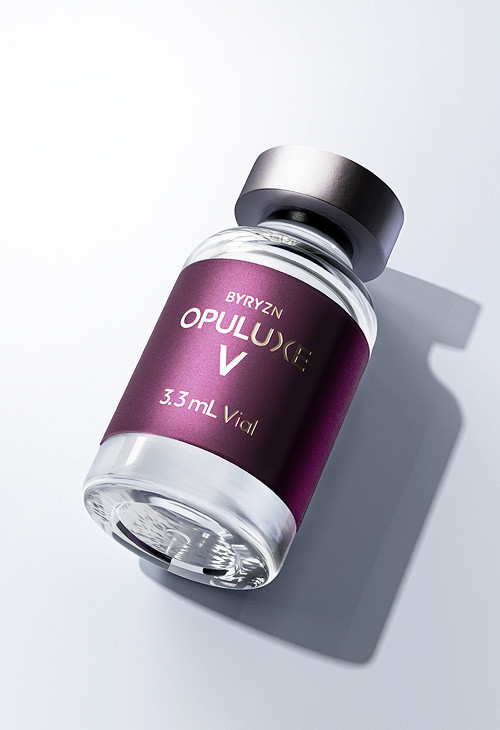
- BYRYZN Opuluxe V – a non-invasive, device-based treatment that delivers targeted energy into deeper skin layers to support hydration, firmness, and natural renewal, without injectables and with minimal downtime. It suits clients who want a measurable improvement in skin quality through a gentle, technology-led approach.
For dehydration that sits deeper still, your practitioner may discuss additional in-clinic hydration options during your consultation, and explain which approach – and what sequence – suits your skin best. Every plan is personalised; nothing is one-size-fits-all.
A Note on Mature Skin
If you are in your fifties, sixties, or beyond, winter dryness can feel more pronounced – and there is a genuine reason for that. As we age, the skin’s natural ability to retain moisture gradually declines, so the same winter conditions have a more visible effect than they did a decade ago.
This is not about chasing a younger face. It is about comfort, resilience, and helping your skin look as vibrant as you feel. A considered, age-appropriate approach focuses on restoring hydration and supporting skin quality, with realistic expectations discussed openly. Your practitioner will be honest about what a treatment can achieve for your skin – and where good home care and sun protection do the heavy lifting.
Is It Time to Give Your Skin Some Support?
If your skin has felt tight, dull, or unusually reactive this winter, the most useful next step is a relaxed consultation. Your practitioner assesses whether you are dealing with dryness, dehydration, or both, explains your options clearly, and builds a plan that suits your skin and your pace. There is no obligation to proceed with treatment – the consultation is simply where you find out what your skin actually needs.
Nano Aesthetics – Skin Clinic, Joondalup
Book: nanoaesthetics.au | Phone: 08 6288 8628
Mia Kim, RN – Senior Cosmetic Injector and Co-Founder of Nano Aesthetics. Bachelor of Nursing (UTS, 2011), Graduate Certificate in Contemporary Nursing. Mia draws on more than 5,000 aesthetic treatments and ongoing professional development across regenerative therapies, injectables and skin devices, alongside direct connections to the Korean beauty market. Her practice focuses on subtle, natural-looking outcomes and skin-health-led care.
Published: June 2026
Frequently Asked Questions
No. Dry skin is a skin type with low oil production, while dehydrated skin is a condition caused by a lack of water in the deeper layers. You can have oily skin that is also dehydrated. Your practitioner will assess which you are dealing with – and it is often both – before recommending an approach.
Winter conditions – low humidity, indoor heating, and hot showers – draw moisture from the skin faster than a surface product can replace it. Your moisturiser may still be helping; it is simply outmatched by the environment. Adjusting your routine and, where needed, restoring hydration at a deeper level usually makes the difference.
Dehydration can create fine, shallow lines that mimic wrinkles, sometimes called dehydration lines. These are distinct from true expression lines and often improve noticeably once hydration is restored. Your practitioner can help you tell the two apart during an assessment.
For many people, cooler months are a sensible time for a course of Medi-Facials with Peels, as reduced UV makes the recovery period easier to manage. Suitability still depends on your skin type and sensitivity, which your practitioner assesses before selecting an appropriate peel strength.
Many clients notice improved freshness and radiance within days of a professional hydration or renewal treatment, with deeper, longer-lasting improvement developing over a course of sessions. Your practitioner will discuss realistic timelines for your skin during your consultation.
Related articles







Book Your Consultation Today
Prefer to chat first? Call us on 08 6288 8628 – we are happy to answer your questions.


Address:
9/140 Grand Blvd,
Joondalup 6027 WA
Opening hours:

Address:
7/950 Wanneroo Rd,
Wanneroo 6065 WA
Opening hours:

Choose map provider:
Choose map provider: