

Why Your Expression Lines Look Deeper in Winter – and What It Really Means
- Lead
- Why Fine Lines Can Look Deeper in Winter
- Dynamic Lines vs Static Lines: What's the Difference?
- Are They Wrinkles, or Something Else?
- What Actually Helps Soften Expression Lines
- Why a Personalised Assessment Comes First
- Softening, Not Erasing: The Goal of Natural Results
- Want to Understand Your Options?
Lead
You catch your reflection in flat winter light, and the lines around your eyes and forehead seem more defined than they did a few months ago. It is a moment that prompts a lot of quiet research – and a fair amount of unnecessary worry.
Here is the reassuring part: winter often makes fine lines look deeper without your skin having aged overnight. Dehydration, dryness, and low-angle light all exaggerate what is already there. Understanding why – and learning to tell a dehydration line from an established one – puts you in a far better position to decide what, if anything, you want to do about it. This article walks through both.
Why Fine Lines Can Look Deeper in Winter
Several winter factors stack up to make expression lines more visible, even when the lines themselves have not meaningfully changed:
- Dehydration lines – when skin lacks water in its deeper layers, shallow creases appear that are not true wrinkles. Winter dehydration brings these to the surface.
- Loss of plumpness – well-hydrated skin reflects light evenly and looks smoother. Dehydrated skin sits flatter, so every line casts a little more shadow.
- Surface dryness – rough, flaky texture catches the light and emphasises fine lines, particularly around the eyes.
- Winter light – lower, harder natural light and more time under indoor lighting both reveal texture that soft summer light tends to flatter.
In other words, what you are seeing is often a hydration and lighting story as much as an ageing one. That distinction matters, because the response is different.
Dynamic Lines vs Static Lines: What's the Difference?
Expression lines form because the muscles beneath your skin contract every time you smile, frown, concentrate, or squint. Over years, those repeated movements leave their mark. Practitioners describe them in two stages:
- Dynamic lines appear only when your face is moving – when you raise your brows or smile. In the early stage, the skin returns to smooth at rest.
- Static lines remain visible even when your face is completely relaxed. These are more established, having developed over time.
The most common areas are the forehead (horizontal lines), between the brows (vertical “frown lines” or “elevens”), and the outer corners of the eyes (crow’s feet). Knowing whether your lines are dynamic, static, or a mix is the first step in understanding what can realistically soften them.
Are They Wrinkles, or Something Else?
This is worth checking before you assume the worst. Dehydration lines can closely mimic fine wrinkles, but they behave differently – they often soften noticeably once the skin’s hydration is restored. True expression lines, by contrast, are tied to muscle movement and skin quality over time.
A simple way to think about it: if the lines look markedly better after a few days of focused hydration, dehydration was playing a large role. If they hold steady regardless, you are likely looking at established expression lines. During an assessment, your practitioner can help you distinguish between the two – which prevents you from treating the wrong thing.
What Actually Helps Soften Expression Lines
There is no single answer, because the right approach depends on the type, location, and depth of your lines. At Nano Aesthetics, the response is layered and always consultation-led.
The foundations – relevant for everyone:
- – Restore hydration, since well-hydrated skin naturally looks smoother and more even.
- Protect with daily sunscreen, as UV exposure is one of the biggest drivers of how quickly lines develop.
- Maintain a considered skincare routine that supports skin quality over time.
Professional options – matched to your concern:
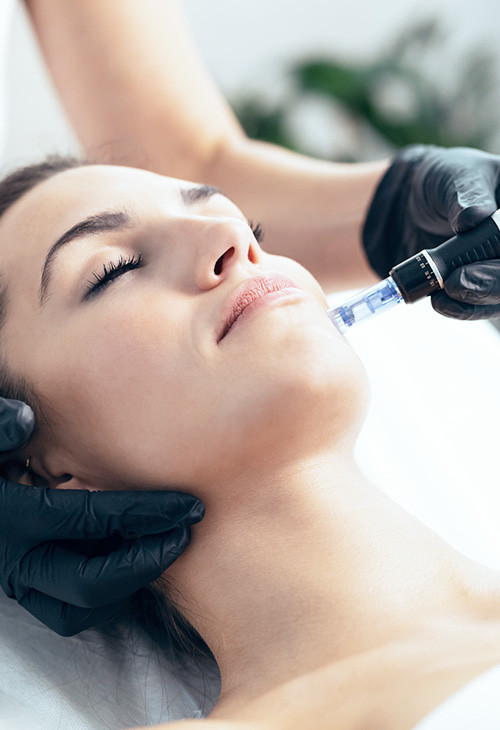
- Skin rejuvenation therapies such as Skin Needling, which supports the skin’s natural renewal and can improve overall texture and quality.
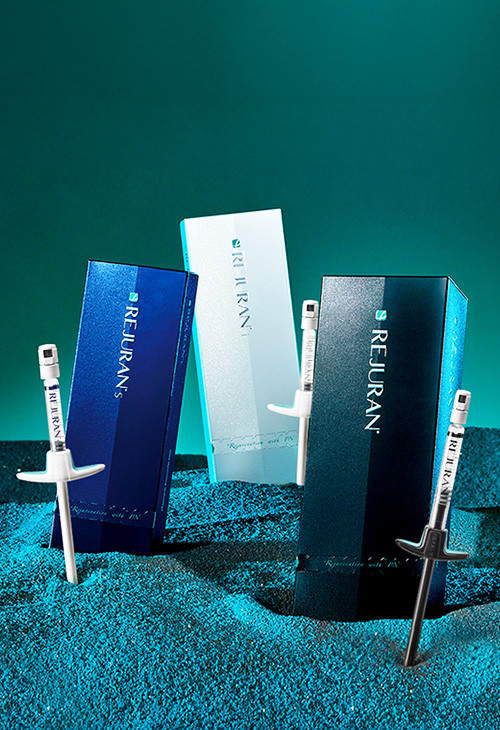
- Regenerative treatments such as Rejuran, which work with the skin’s own repair processes to support firmness and resilience.
- Soften and Smooth – a non-surgical treatment that gently relaxes targeted facial muscles to soften dynamic expression lines, leaving the skin looking naturally refreshed while preserving your natural movement and character.
Which of these suits you – and in what combination – is exactly what a consultation is designed to determine.
Why a Personalised Assessment Comes First
It can be tempting to decide on a treatment before you walk in the door. A more reliable approach is to let the assessment lead.
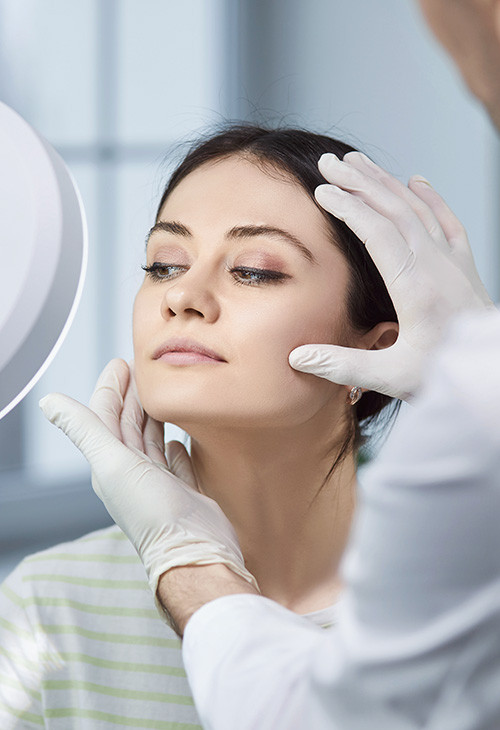
Your practitioner reviews the type and location of your lines, your skin condition and history, and your goals – whether you want subtle softening or a broader improvement in skin quality. From there, the recommendation is tailored to you, with realistic expectations explained openly. Treatment is never assumed on a first visit; the consultation is about understanding your options and feeling confident before anything is decided.
Softening, Not Erasing: The Goal of Natural Results
It is worth saying plainly: fine lines are a natural part of facial expression, not a flaw. They are evidence of a face that has smiled, concentrated, and lived. The aim at Nano Aesthetics is never to erase them or to freeze the face into stillness.
The goal is balance – softening what bothers you while preserving the movement and warmth that make you look like yourself. The best results are the ones only you notice: a version of you that looks rested and refreshed, not altered. That principle of restraint guides every plan.
Want to Understand Your Options?
If winter has you looking more closely at the lines around your eyes and forehead, a consultation is the most useful place to start. It is an unhurried, honest conversation about what you are seeing, what is realistic, and which approach – if any – suits your skin and your goals. There is no pressure to proceed.
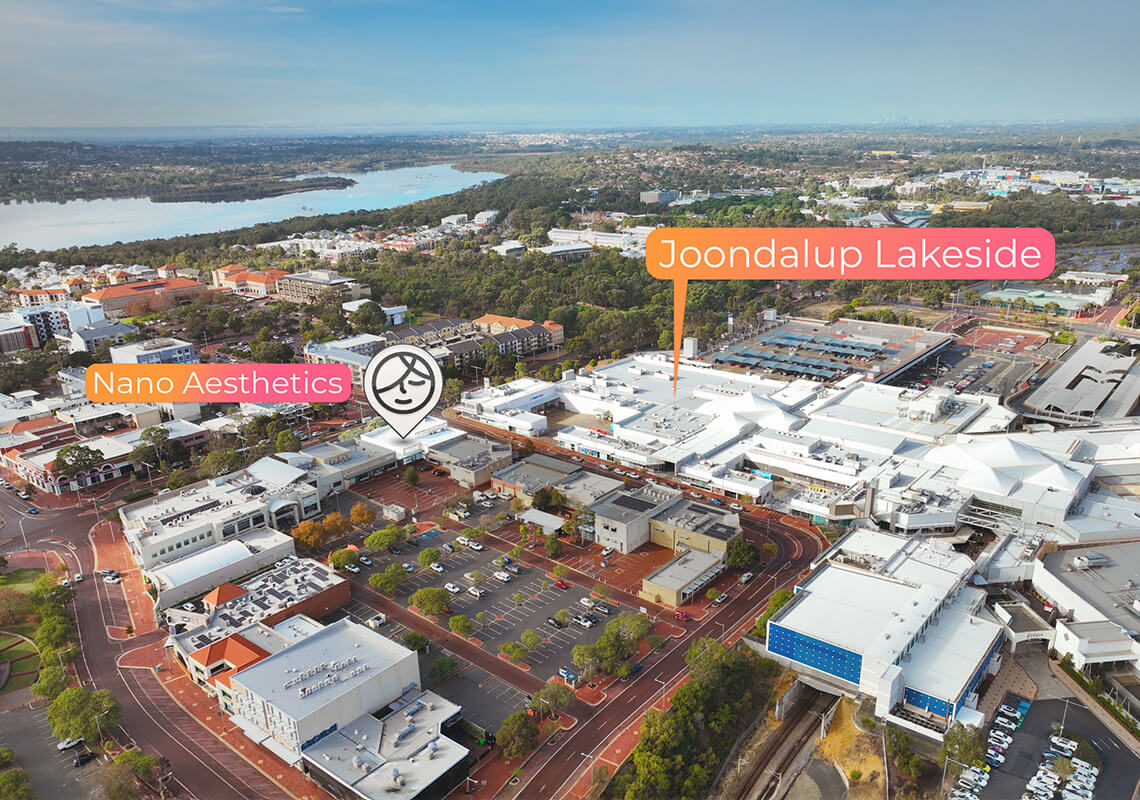
Nano Aesthetics – Skin Clinic, Joondalup
Book: nanoaesthetics.au | Phone: 08 6288 8628
Mia Kim, RN – Senior Cosmetic Injector and Co-Founder of Nano Aesthetics. Bachelor of Nursing (UTS, 2011), Graduate Certificate in Contemporary Nursing. Mia draws on more than 5,000 aesthetic treatments and ongoing professional development across regenerative therapies, injectables and skin devices, alongside direct connections to the Korean beauty market. Her practice focuses on subtle, natural-looking outcomes and skin-health-led care.
Published: June 2026
Frequently Asked Questions
Winter dehydration, surface dryness, and harder light all exaggerate the appearance of fine lines, while warmer months tend to keep skin more hydrated and plump. The lines themselves may not have changed much – the conditions around them have. Restoring hydration often softens that winter difference noticeably.
Fine lines are shallow, surface-level creases and are usually the earliest visible signs of skin ageing. Wrinkles are deeper, more established lines that develop as fine lines progress. Both can be addressed through personalised treatment, and your practitioner will assess which approach is most appropriate.
They are a natural part of ageing, but consistent sun protection, a suitable skincare routine, and professional skin treatments may help slow their development and support skin quality over time. A long-term, preventative approach is something your practitioner can map out with you.
Not when the treatment is carefully planned. The Soften and Smooth approach is designed to preserve your natural expression and movement, softening lines rather than removing the character of your face. Realistic expectations are discussed openly before anything proceeds.
No. Many clients book a consultation simply to understand what is causing their concern and what their options are. Your practitioner assesses your skin and lines first, then recommends an approach – so you can make an informed decision rather than guessing in advance.
Related articles








Book Your Consultation Today
Prefer to chat first? Call us on 08 6288 8628 – we are happy to answer your questions.


Address:
9/140 Grand Blvd,
Joondalup 6027 WA
Opening hours:
Address:
7/950 Wanneroo Rd,
Wanneroo 6065 WA
Opening hours:
Choose map provider:
Choose map provider: